We Fight for the Rights of Personal Injury and Accident Victims
Our goal is to make sure you get the justice you deserve and are fully compensated for your harms and losses

If you are searching for a Massachusetts premises liability lawyer because you were hurt on unsafe property, the most important question is whether the hazard should have been fixed, warned about, or prevented before you got hurt. Premises liability claims in Massachusetts usually involve dangerous conditions in stores, apartment buildings, parking lots, stairways, walkways, restaurants, offices, and other properties open to visitors, tenants, or customers. These cases often involve slip and fall accidents, snow and ice, broken steps, loose handrails, poor lighting, falling objects, and unsafe common areas. Under Massachusetts law, the core issue is usually whether the property owner or other party in control of the property used reasonable care to protect lawful visitors from foreseeable harm.
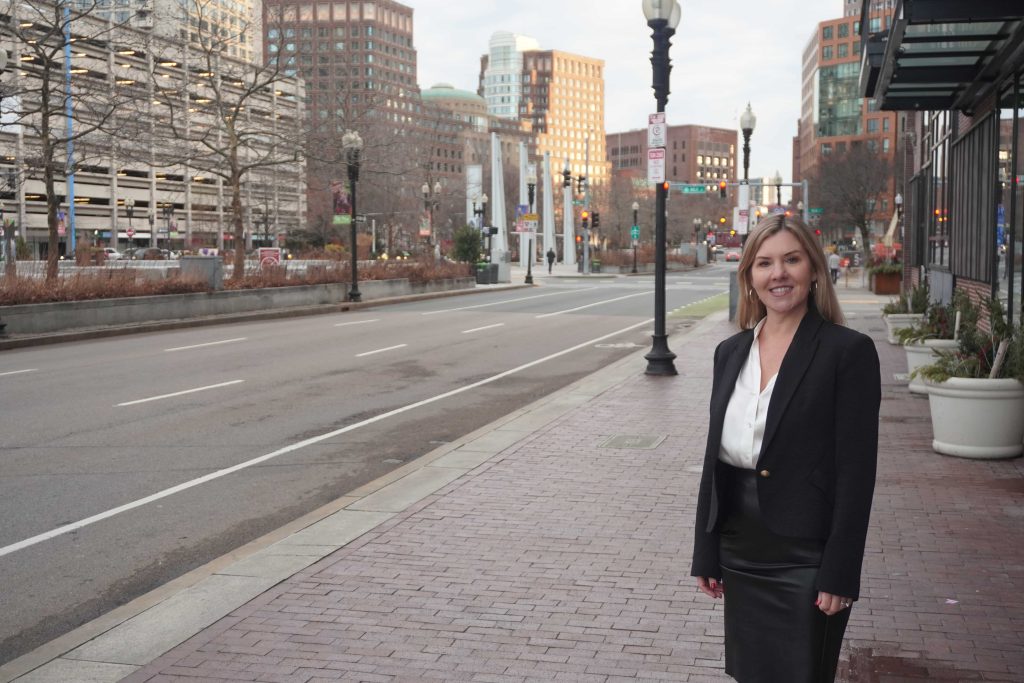
At Rightful Legal, Tracy Paulsen represents injured people across Massachusetts in negligence cases involving dangerous conditions and preventable harm. Tracy has been admitted in Massachusetts since 2009, founded Rightful Legal, and brings nearly two decades of legal experience to injury claims that require careful investigation, strong documentation, and a practical understanding of how insurers and defendants try to limit responsibility.
Contact Attorney Tracy Paulsen Today to Understand Your Rights.
Call 617-821-5856
or
Unsafe property cases are often minimized at the beginning. People hear “slip and fall” and assume the injury must be minor. That is not how these cases play out in real life. A fall on wet flooring, an icy walkway, a dark stairwell, or a broken step can cause fractures, torn ligaments, shoulder injuries, head trauma, back injuries, and long-term mobility problems. A premises liability claim is not about embarrassment over the accident. It is about whether a dangerous condition caused an injury that should never have happened.
These cases also deserve fast attention because the evidence can change quickly. Water is cleaned up. Ice melts. Flooring is repaired. A handrail is tightened. Surveillance footage is overwritten. By the time an injured person realizes the harm is more serious than it first seemed, the property may no longer look the same. That practical urgency is one of the most important features of a Massachusetts premises liability case.
Premises liability is a negligence claim based on unsafe property conditions. In Massachusetts, the basic question is whether the person or entity that owned or controlled the property used reasonable care under the circumstances. In many cases, the injured person must show that a dangerous condition existed, that the defendant created it or knew or should have known about it, and that the condition caused the injury.
This area of law covers much more than a fall in a store. A premises liability claim may arise from a supermarket entrance, an apartment common area, a restaurant restroom, a hotel stairway, a condominium walkway, a parking lot, or a private property condition that created a foreseeable risk of harm. What matters is not just where the injury happened. What matters is whether the danger was preventable and whether the right party failed to address it.
Different Types of Premises Liability Cases Include:
Slip and fall and trip and fall accidents are among the most common premises liability cases. These claims often involve wet floors, loose mats, uneven sidewalks, broken stairs, poor lighting, snow and ice, or other hazards that should have been fixed or clearly warned about. The key issue is usually whether the owner knew or should have known about the danger and failed to address it.
Negligent security cases involve injuries caused by inadequate safety measures on a property. These cases may arise when a landlord, business, hotel, or apartment complex fails to provide reasonable protection in an area where criminal activity was foreseeable, such as broken locks, poor lighting, lack of security personnel, or unsecured entrances.
Unsafe property maintenance cases involve injuries caused by dangerous structural or maintenance-related conditions. This can include broken handrails, collapsing steps, falling ceiling materials, defective flooring, unmarked hazards, or dangerous building conditions that put visitors at risk. These claims often depend on maintenance records, inspection practices, and whether the condition existed long enough that it should have been corrected.
Other premises liability cases may involve falling merchandise, elevator or escalator incidents, dog bites or animal attacks on private property, and injuries to children caused by dangerous conditions. Although each case is different, the core question is usually the same: whether the person or company responsible for the property failed to use reasonable care to prevent a foreseeable injury.
Many premises liability cases begin with ordinary maintenance failures that become serious injuries. A floor stays wet too long. A stairwell light is not replaced. A handrail becomes loose. Water keeps collecting near an entryway. Ice forms repeatedly in the same place because of drainage. A walkway cracks, shifts, or sinks. Merchandise is stacked unsafely. A common area is left in poor repair.
Common premises liability situations in Massachusetts include:
One issue that often gets missed is recurrence. A puddle may not be just a puddle. It may be a refrigeration leak that had caused problems before. An icy patch may not be a one-time winter condition. It may be a drainage issue that repeatedly freezes in the same location. A stair failure may not be sudden at all. It may be the end result of an ignored repair problem that had existed for weeks or months.
A legally actionable claim requires more than proof that an accident happened. In most Massachusetts premises liability cases, the real questions are notice, control, and reasonableness. Was there a dangerous condition? Who controlled that part of the property? Did the defendant create the hazard, know about it, or fail to discover it through reasonable inspection and maintenance?
Notice is often the turning point. A condition that appeared seconds before a fall may raise a different liability question than one that existed long enough to be discovered and corrected. A recurring leak, a repeatedly icy entrance, or a long-ignored stair defect can make a major difference because it helps show the danger was not isolated.
Property owners and insurers also often argue that the hazard was open and obvious. That can matter, especially in a duty-to-warn argument, but it does not automatically end the case. Massachusetts jury guidance recognizes the role of open and obvious conditions, yet that does not mean every visible danger is acceptable. People still need to use entrances, hallways, stairways, and walkways as part of daily life.
Another issue that comes up frequently is comparative negligence. The defense may argue that the injured person was distracted, wore the wrong footwear, ignored a warning, or otherwise contributed to the accident. Massachusetts follows modified comparative negligence. An injured person’s own negligence does not bar recovery unless it was greater than the total negligence of the defendant or defendants, but any damages can be reduced in proportion to the plaintiff’s share of fault.
The liable party is not always the person or company listed as the property owner. In some cases, the right defendant is a commercial tenant, property manager, management company, maintenance vendor, landlord, condominium association, or snow-removal contractor. Control matters. In apartment and retail cases especially, the key issue is often who had the duty to inspect, repair, warn about, or close off the dangerous area. Massachusetts premises instructions frame the liability question in terms of ownership or control of the property.
That is one reason these claims should be evaluated carefully at the beginning. A business may blame the landlord. A landlord may blame the tenant. A management company may blame a contractor. Meanwhile, the injured person is left trying to recover without a clear answer about responsibility. A strong investigation should identify the right parties early, before records disappear and stories harden.
The strongest premises liability cases are built on more than a single photo taken after the accident. They are built on proof of the condition itself and proof that the condition should have been addressed before the injury happened. Photos, incident reports, witness names, medical records, and surveillance footage matter. So do cleaning logs, maintenance records, repair requests, lease documents, management agreements, snow-removal records, and evidence of prior complaints.
This is where Tracy Paulsen’s background matters. Earlier in her career, she worked on matters involving insurance companies and large corporate interests. That experience still shapes how she approaches injury cases at Rightful Legal. She understands how claims are challenged, delayed, and reframed, and she looks closely at the records and inconsistencies that can reveal when a dangerous condition was more than a one-time event.
One practical evidence issue many people do not realize is how fast premises evidence can disappear. A store may keep surveillance footage for only a short period. A property manager may repair the condition immediately. A contractor may salt, shovel, or patch the area before anyone examines it. In serious cases, prompt preservation efforts can matter just as much as the medical documentation.
If you were hurt on unsafe property in Massachusetts and you are unsure whether the condition was legally actionable, an early case review can help clarify what evidence still exists, who may be responsible, and what should happen next.
If you have been injured on someone else’s property, contact Attorney Tracy Paulsen Today by calling or texting 617-821-5856 or scheduling a free consultation.
A premises liability claim should reflect the full impact of the injury, not just the moment of the fall or impact. Depending on the facts, damages may include medical expenses, future treatment, lost wages, diminished earning capacity, pain and suffering, and the effect the injury has on ordinary life. In the most serious cases, unsafe property conditions can also lead to wrongful death claims that require separate evaluation. Massachusetts generally provides a three-year limitations period for tort claims involving personal injury, but that general rule does not answer every deadline question in every premises case.
A common concern in these cases is delayed symptom recognition. Many people stand up after a fall and think they are just shaken. Later, they learn they have a fracture, torn tissue, a concussion, or a spinal injury that is much more serious than it first appeared. That happens often. It does not make the injury less real. It means the medical timeline and documentation should be handled carefully from the beginning.
If you were hurt because a property was unsafe, a few early steps can make a real difference:
Massachusetts also has some property-specific procedural rules that can matter. Claims against public employers generally require written presentment within two years and are generally subject to the Massachusetts Tort Claims Act’s damages limitations. Snow and ice claims and some defective public way claims may also involve Chapter 84 notice rules. Those issues are not present in every premises case, but they are important enough that waiting can create avoidable problems.
Contact Attorney Tracy Paulsen for a Free Case Evaluation.
Call 617-821-5856
or
A premises liability case can look simple from the outside and still become heavily disputed very quickly. Property owners, businesses, landlords, insurers, and contractors often argue about notice, control, comparative fault, and causation. These cases reward preparation. They require someone to identify what made the property unsafe, what records should exist, who controlled the area, and how the injury actually changed the client’s life.
That is part of what Tracy Paulsen brings to this work. Tracy is the founder of Rightful Legal and a Massachusetts attorney admitted since 2009. She earned her J.D. from Suffolk University Law School and her B.A. from the University of Virginia, where she studied Environmental Science and Anthropology. During law school, she received the Jurisprudence Award for Environmental Law. Her broader background gives her a practical comfort with both the human side of injury cases and the larger systems that often shape them, including documentation, corporate accountability, and technical facts.
Her professional recognitions reinforce that authority. Tracy has a 10.0 rating at Justia, has been recognized among The National Trial Lawyers Top 100, and is a member of the Massachusetts Academy of Trial Attorneys and the American Association for Justice. She is also asked to provide legal commentary on current cases of national importance. Those credentials matter for search visibility and credibility, but they also reflect something more important for clients: a lawyer whose work is respected and whose preparation is taken seriously.
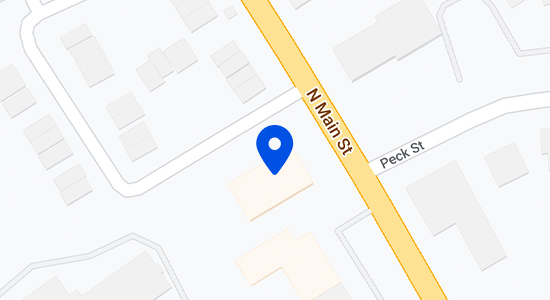
Rightful Legal is based in Attleboro and serves injured people across Massachusetts. The firm’s approach is not to treat a premises case as a simple insurance file. It is to understand how the hazard developed, what proof can still be preserved, and how to build a claim that reflects the full seriousness of the injury.
If you were injured on unsafe property in Massachusetts, Rightful Legal can review what happened, identify the likely liability issues, and help you understand what evidence and deadlines matter now.
Contact Rightful Legal Today by Calling 617-821-5856 and speak directly with Attorney Paulsen.
Premises liability is a negligence claim based on unsafe property conditions. In Massachusetts, the key question is usually whether the property owner or other party in control of the premises used reasonable care to protect lawful visitors from foreseeable harm.
Maybe. A fall alone is not enough. The stronger questions are what caused it, how long the hazard existed, whether the store created it or should have found it, and whether the condition caused a real injury.
Yes, sometimes. Liability often depends on who owned or controlled the area where the injury happened and whether the dangerous condition should have been repaired or warned about.
That can affect the duty-to-warn analysis, but it does not automatically defeat a claim. The facts still matter, especially when a person had to use the area as part of ordinary travel through the property.
Many personal injury claims in Massachusetts are governed by a three-year statute of limitations, but some public property, snow and ice, or defective public way claims can involve additional procedural rules or notice requirements.
Sometimes, yes, but those claims are different from ordinary private-property cases. Massachusetts public employer claims generally require written presentment within two years, and the statute generally limits damages to $100,000, with an exception for serious bodily injury claims against the MBTA.
They can be. Massachusetts law includes separate notice provisions that can apply to injuries caused by snow or ice in certain settings, including some premises and adjoining ways.
A prompt consultation with a Massachusetts premises liability lawyer can help preserve evidence, identify the right defendant, and avoid preventable deadline problems. Tracy Paulsen and Rightful Legal handle unsafe property cases with the preparation, communication, and strategic attention these claims often require.